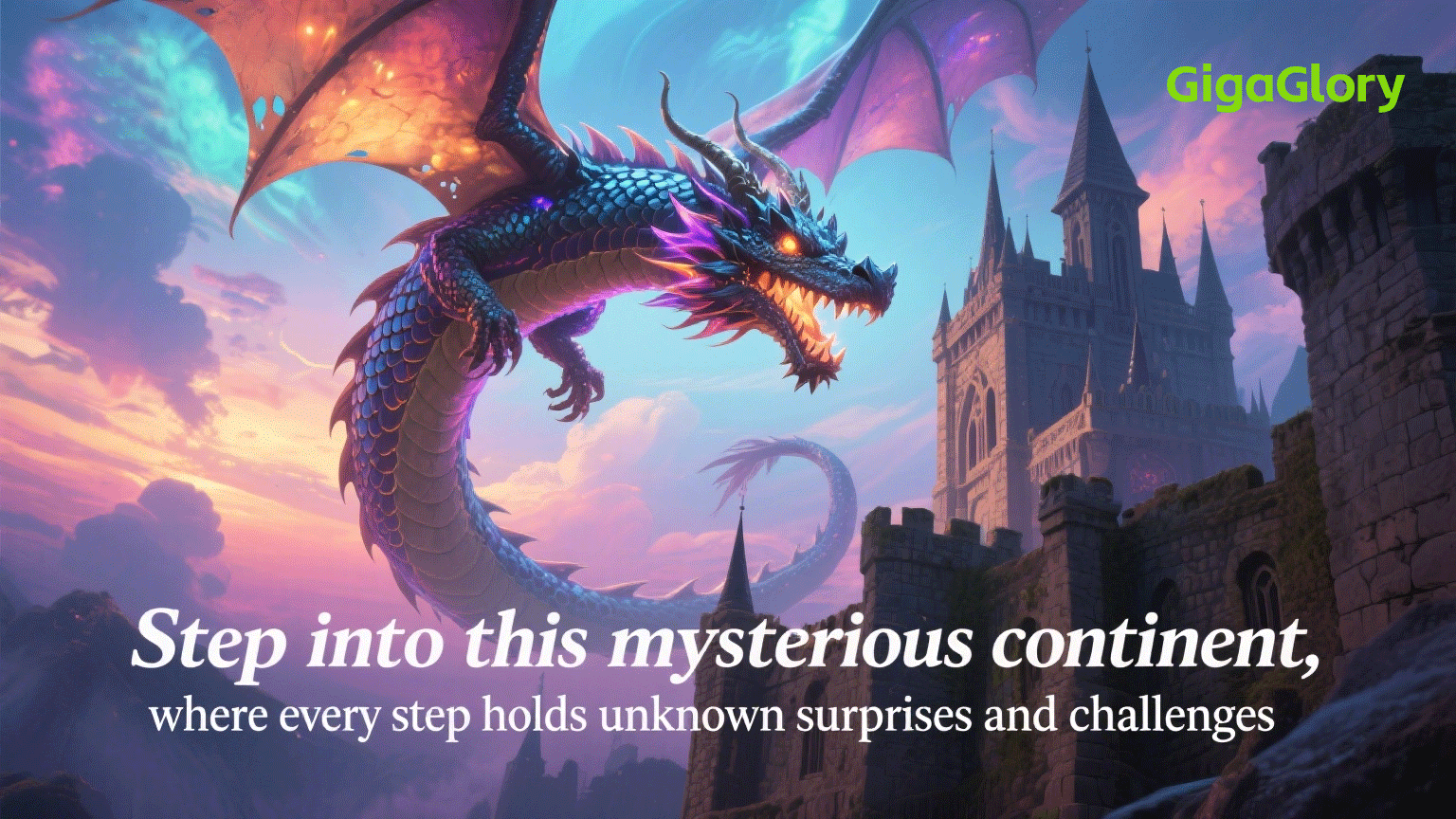
Unlocking Learning Through Play: The Rise of Educational Strategy Games
In today's fast-paced world, traditional education methods are quickly evolving. As technology advances, so does the way we approach learning. One of the most exciting developments in this space is the rise of educational strategy games. Combining the essence of gaming with the importance of learning, these games foster critical thinking, collaboration, and creativity in players of all ages. In this article, we’ll explore how strategy games have become a powerful tool for unlocking the potential in education.
What Are Educational Strategy Games?
Educational strategy games are designed to teach players key concepts while engaging them in fun and interactive gameplay. Unlike typical games that prioritize entertainment alone, educational games integrate academic knowledge into their structures. The goal? To make learning enjoyable and effective. A great example is the game "Game Card Wars Kingdom," which blends strategic card battles with educational elements, helping players improve their critical thinking and problem-solving skills.
The Benefits of Learning Through Strategy Games
Strategy games offer myriad benefits beyond just traditional learning:
- Enhances Critical Thinking: Players must make quick decisions, analyze situations, and adapt strategies, all of which boost cognitive abilities.
- Encourages Collaboration: Many strategy games require teamwork, promoting social skills and effective communication among players.
- Makes Learning Engaging: The element of play keeps players interested and motivated, allowing them to absorb knowledge innovatively.
- Develops Problem-Solving Skills: Facing challenges in gameplay helps players learn to strategize and think thoroughly before taking action.
How Strategy Games Fit into Modern Education
With a growing emphasis on interactive learning, educational strategy games have become a staple in many classrooms. Teachers are increasingly incorporating these games into their curriculums to leverage their engaging nature. Here are some key points on how they enhance educational frameworks:
| Traditional Learning Methods | Educational Strategy Games |
|---|---|
| Passive Learning | Active Participation |
| Teacher-Centered | Student-Centered |
| Standardized Tests | Creative Assessment |
| Memorization | Critical Application |
Popular Educational Strategy Games
Several educational strategy games are gaining popularity across different age groups:
- Game Card Wars Kingdom: A fun way to learn strategy and math concepts through card battling.
- Civilization VI: Players develop civilizations, teaching history and resource management.
- Portal 2: While primarily a puzzle game, it fosters logical thinking through intricate problem-solving tasks.
- Acorn: A Game of Strategy: Players learn about ecosystems and resource management as they nurture a tree through various challenges.
Challenges of Implementing Strategy Games in Education
Despite their benefits, there are challenges associated with incorporating strategy games into educational settings. Here are a few hurdles educators face:
- Access to Technology: Not all schools have adequate resources to support these games, limiting their adoption.
- Training for Educators: Teachers need proper training to effectively integrate games into their teaching strategies.
- Curriculum Alignment: Ensuring that games align with educational standards can be challenging for educators.
Concluding Thoughts
The emergence of educational strategy games marks a transformative shift in the way we think about learning. By harnessing the power of play, these games facilitate critical thinking, collaboration, and creativity in students. While challenges exist in implementing these tools in education, the benefits are evident for those willing to explore new methods. As we continue to pave the way for innovative learning practices, it's essential to recognize that education can be both fun and enlightening.
In conclusion, educational strategy games are not just a fleeting trend; they hold the potential to revolutionize the educational landscape. As more educators embrace these methods, we can look forward to a future where learning is an exciting journey filled with discovery, teamwork, and endless possibilities.